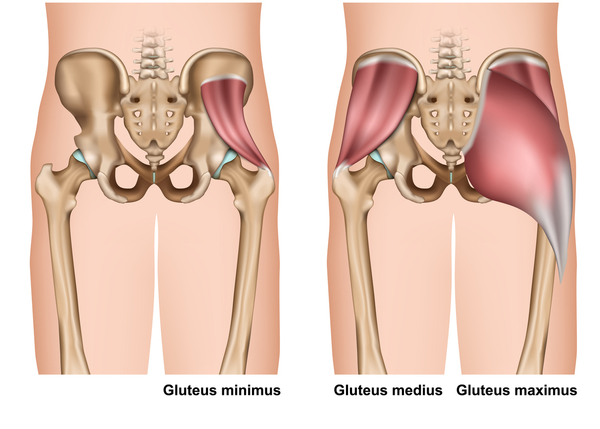
Female Hip Muscles Diagram. The piriformis muscle is a key landmark in the gluteal region. The four groups are the anterior group, the posterior group, adductor group, and finally the abductor group. Other muscles close to the skin that affect leg movement include: Muscles play an important role in the. The superficial muscles of the thigh.
The hamstrings are three muscles at the back of the thigh that affect hip and knee. The hip muscles encompass many muscles of the hip and thigh whose main function is to act on the thigh at the hip joint and stabilize the pelvis.without them, walking would be impossible. Together, they form the part of the pelvis called the pelvic girdle. Female leg muscles, lateral view, with labels. The four muscle of the quadriceps all extend the lower leg, and the rectus femoris additionally can flex the thigh at the hip.
How Underactive Gluteal Muscles Can Cause Lower Back Pain Lifemark from www.lifemark.ca Antique illustration of human body anatomy: In addition, the broad hip bones provide protection to the delicate internal organs of the pelvis, such as the intestines, urinary bladder, and uterus. The view on the left has the rectus femoris cut away to show the vastus intermedius which is below it. The strong muscles of the hip region also help to hold the hip joint together and prevent dislocation. The hamstrings are three muscles at the back of the thigh that affect hip and knee movement. This article will introduce the muscles in each group and touch on their origin, insertion, function, and innervation. Other muscles close to the skin that affect leg movement include: Rear view of female hip and leg muscles, with labels.
The hip bones are composed of three sets of bones that.
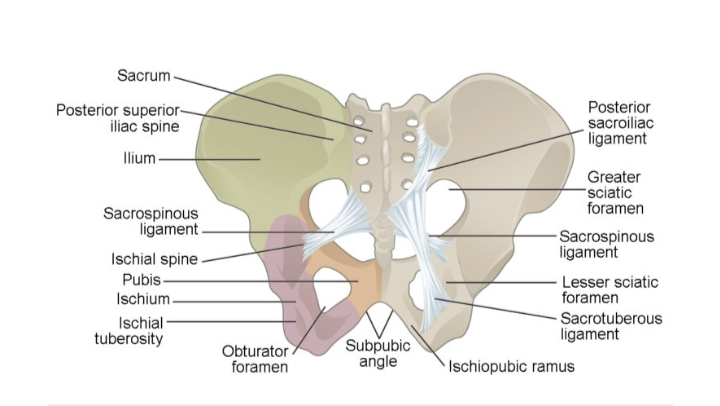
The hamstrings are three muscles at the back of the thigh that affect hip and knee. The hip itself is a ball and socket joint, much like the shoulder.the structures necessary to create this joint are the socket, the joint capsule, muscle, ligaments, and the neck. The femur may also rotate around its axis about 90 degrees at the hip. Functionally, the hip joint enjoys a very high range of motion. The quadriceps group of four muscles. Female muscle diagram and definitions. The deep gluteal muscles are a set of smaller muscles, located underneath the gluteus minimus. Together, they form the part of the pelvis called the pelvic girdle. In addition, the broad hip bones provide protection to the delicate internal organs of the pelvis, such as the intestines, urinary bladder, and uterus. The four groups are the anterior group, the posterior group, adductor group, and finally the abductor group. The four muscle of the quadriceps all extend the lower leg, and the rectus femoris additionally can flex the thigh at the hip. The pubis, ischium, and ilium together constitute the pelvis while the thigh bone is the femur. This article will introduce the muscles in each group and touch on their origin, insertion, function, and innervation.
This long thin muscle stabilizes the hip and knee joints.it runs from the hip bone to the tibia, or shinbone. Muscles play an important role in the. The four groups are the anterior group, the posterior group, adductor group, and finally the abductor group. Large ligaments, tendons, and muscles around the hip joint hold the bones (ball and socket) in place and keep it from dislocating. The piriformis muscle is a key landmark in the gluteal region.
Male Vs Female Pelvis 15 Major Differences With Diagram Viva Differences from vivadifferences.com Browse 109 female muscle diagram stock photos and images available, or start a new search to explore more stock photos and images. The hip bones are composed of three sets of bones that. Antique illustration of human body anatomy: The hip itself is a ball and socket joint, much like the shoulder.the structures necessary to create this joint are the socket, the joint capsule, muscle, ligaments, and the neck. The four muscle of the quadriceps all extend the lower leg, and the rectus femoris additionally can flex the thigh at the hip. There are two hip bones, one on the left side of the body and the other on the right. This article will introduce the muscles in each group and touch on their origin, insertion, function, and innervation. The anterior muscle group features muscles.
The anterior muscle group features muscles.
Many muscles that move the trunk and legs, such as our abdominal muscles, attach to the hip bones. These muscles can be grouped based upon their location and function. The hip muscles encompass many muscles of the hip and thigh whose main function is to act on the thigh at the hip joint and stabilize the pelvis.without them, walking would be impossible. The pelvis forms the base of the spine as well as the socket of the hip joint. They also stabilise the hip joint by 'pulling' the femoral head into the acetabulum of the pelvis. They can be divided into three main groups: Browse 109 female muscle diagram stock photos and images available, or start a new search to explore more stock photos and images. In addition, the broad hip bones provide protection to the delicate internal organs of the pelvis, such as the intestines, urinary bladder, and uterus. The femur may also rotate around its axis about 90 degrees at the hip. The piriformis muscle is a key landmark in the gluteal region. The view on the left has the rectus femoris cut away to show the vastus intermedius which is below it. They begin under the gluteus maximus behind the hipbone and attach to the tibia at the knee. The general action of these muscles is to laterally rotate the lower limb.
The piriformis muscle is a key landmark in the gluteal region. Other muscles close to the skin that affect leg movement include: The bones of the hip include the femur, the ilium, the ischium, and the pubis. This article will introduce the muscles in each group and touch on their origin, insertion, function, and innervation. Iliopsoas muscle, a hip flexor muscle that attaches to the upper thigh bone.
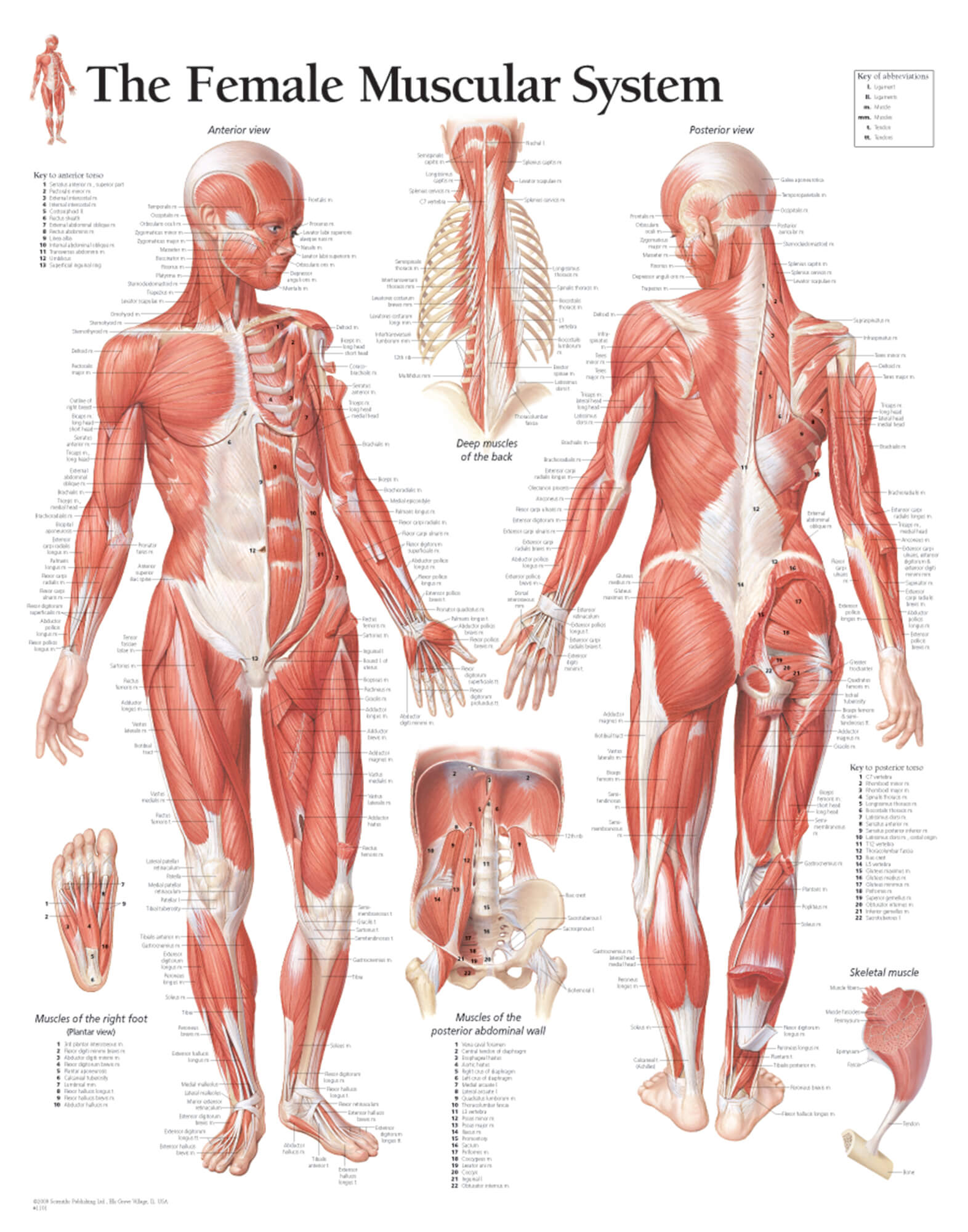
The Female Muscular System Scientific Publishing from www.scientificpublishing.com The pelvic bones include the hip bones, sacrum, and coccyx. The bones together make up the hip. The pubis, ischium, and ilium together constitute the pelvis while the thigh bone is the femur. Functionally, the hip joint enjoys a very high range of motion. In addition, the broad hip bones provide protection to the delicate internal organs of the pelvis, such as the intestines, urinary bladder, and uterus. Female muscle diagram and definitions. Many muscles that move the trunk and legs, such as our abdominal muscles, attach to the hip bones. The four muscle of the quadriceps all extend the lower leg, and the rectus femoris additionally can flex the thigh at the hip.
The pelvis forms the base of the spine as well as the socket of the hip joint.
Rectus femoris muscle, one of the quadriceps muscles on the front of your thigh. They begin under the gluteus maximus behind the hipbone and attach to the tibia at the knee. The pelvic bones include the hip bones, sacrum, and coccyx. They provide movement and support to the trunk. The bones together make up the hip. Together, they form the part of the pelvis called the pelvic girdle. The hamstrings are three muscles at the back of the thigh that affect hip and knee movement. The strong muscles of the hip region also help to hold the hip joint together and prevent dislocation. This long thin muscle stabilizes the hip and knee joints.it runs from the hip bone to the tibia, or shinbone. The pelvis forms the base of the spine as well as the socket of the hip joint. The general action of these muscles is to laterally rotate the lower limb. The hip itself is a ball and socket joint, much like the shoulder.the structures necessary to create this joint are the socket, the joint capsule, muscle, ligaments, and the neck. The femur may also rotate around its axis about 90 degrees at the hip.